
Philadelphia residents are physically assaulting Uber Eats delivery robots on public sidewalks, exposing a raw clash between corporate tech overreach and everyday Americans defending their space.
Story Snapshot
- Uber Eats robots deployed in Center City Philadelphia in March 2026 face immediate physical interference from locals, including kicking and sitting on the machines.
- Incidents occurred within 18 days, highlighting swift public backlash against uninvited tech on crowded sidewalks.
- Avride downplays attacks as mere “curiosity,” but locals and businesses see deliberate hostility toward the intrusion.
- This friction underscores frustrations with elite-driven innovations that prioritize corporate profits over community control of public spaces.
Deployment Sparks Immediate Conflict
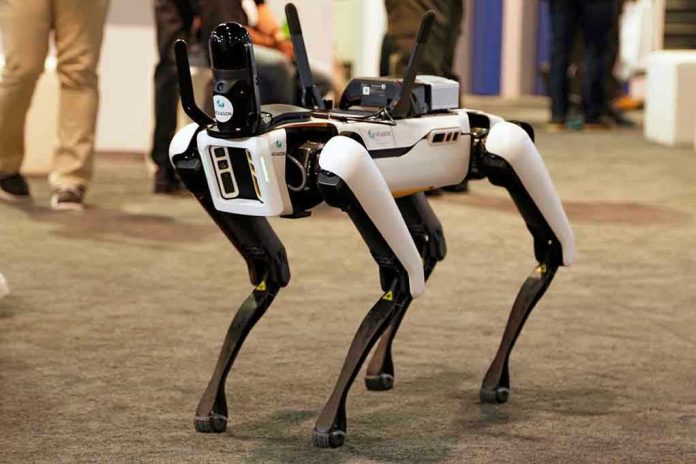
Uber Eats launched autonomous delivery robots in Center City Philadelphia in March 2026, targeting dense neighborhoods like Chinatown and Old City. The Avride-manufactured bots, standing under 3 feet tall and traveling at 5 mph, navigate sidewalks using LIDAR, cameras, and sensors. Operating from 10 a.m. to 10 p.m., they carry up to 55 pounds for trips under two miles. Residents quickly rejected the intrusion, with the first incident at 15th and Locust streets where a passerby sat on a robot. This rollout ignores narrow sidewalks already strained by heavy foot traffic and commercial activity.
Documented Attacks Reveal Public Resistance
On the weekend before March 31, 2026, security cameras at FunCab Karaoke captured a robot kicked twice and toppled at Juniper and Locust streets around midnight. Two individuals later righted it, but the deliberate act underscores resident intolerance. FunCab owner Dominik Glazewski shared the footage, lamenting, “It’s a shame that things like that happen in the city.” These events, occurring just 18 days into deployment, signal not fleeting curiosity but a visceral pushback against machines commandeering pedestrian paths traditionally reserved for people.
Corporate Spin Minimizes Real Tensions
Avride responded by framing the assaults as a “known and expected phase” of adoption, claiming heightened curiosity leads to brief interactions. The company states robots stop conservatively when approached and that people “tend to satisfy their curiosity within a minute or so.” Avride insists it does not condone intentional damage yet normalizes the behavior. This disconnect reveals corporate arrogance, dismissing community concerns as temporary whims while residents exercise direct power over shared public spaces amid broader distrust of elite tech agendas.
Local businesses like FunCab Karaoke witness the chaos, concerned about escalating disorder on streets meant for human use. No regulations from Philadelphia govern these “personal delivery devices,” legalized under a 2020 Pennsylvania statute treating them as pedestrians. The absence of city oversight amplifies risks, as bots operate even past curfew hours.
MAN VS MACHINE: Philadelphians aren't taking kindly to sharing sidewalks with delivery robotshttps://t.co/MqTmukqcUV
— Spreading Fox News (@SpreadFoxnews) April 10, 2026
Broader Implications for Urban America
Short-term, robots suffer damage, disrupting service for operators and customers in a pilot involving a dozen restaurants. Public perception mixes hostility with concern, as seen in business reactions. Long-term, incidents question autonomous delivery viability in dense cities, potentially inviting regulatory scrutiny or design changes. This may stall Uber’s expansion plans beyond Austin, Dallas, and Jersey City. For everyday Americans on both political sides, the clashes highlight federal and corporate failures to respect local control, fueling shared anger at elites who impose globalist tech without consent. Sidewalks symbolize hard-won public commons, not playgrounds for unaccountable corporations.
Philadelphia’s resistance echoes nationwide frustrations: government and big tech prioritize reelection and profits over citizens attaining the American Dream through personal initiative. Without community buy-in, such innovations erode trust in institutions, departing from founding principles of limited interference and individual liberty.
Sources:
6ABC (WPVI-TV): Uber Eats delivery robot gets kicked in Center City Philadelphia
Fox29: Uber Eats launches robot food delivery service in Philly’s Center City
CBS News: Uber Eats launches robot delivery service in Philadelphia’s Center City
Philadelphia Inquirer: Philadelphians are messing with Uber Eats delivery robots