Iran’s regime is calling President Trump a liar—right as high-stakes nuclear talks loom and the question of whether Tehran is rebuilding its nuclear capability hangs over U.S. security.
Story Snapshot
- Iran’s Foreign Ministry blasted Trump’s 2026 State of the Union claims as “big lies,” targeting his remarks on Iran’s nuclear program and protest deaths.
- Trump said U.S. strikes in June 2025 “obliterated” Iran’s nuclear weapons program, but warned Iran is rebuilding nuclear and missile capabilities.
- Iranian officials insisted they are not pursuing a nuclear weapon while threatening retaliation against U.S. bases if attacked.
- With Geneva talks approaching, verification disputes and hardline rhetoric raise the risk of miscalculation despite stated interest in diplomacy.
Iran’s “Big Lies” Counterattack After Trump’s Address
Iran’s Foreign Ministry responded on Feb. 25, 2026, by accusing President Donald Trump of repeating “big lies” during his State of the Union address the night before. Iranian officials argued Trump was trying to turn repeated claims into accepted “truth,” pointing specifically to his statements about Iran’s nuclear activity and his references to casualties tied to Iran’s January crackdown on anti-government protests. Tehran framed the remarks as propaganda meant to justify aggression.
Trump’s address, delivered Feb. 24 and running 108 minutes, mixed deterrence with diplomacy. Trump reiterated that the United States will not allow Iran to obtain a nuclear weapon and said U.S. strikes in June 2025 had destroyed Iran’s nuclear weapons program. At the same time, he warned Iran is rebuilding parts of its nuclear and missile programs, describing a continuing threat that Washington must confront while talks remain on the table.
What We Know—and What Remains Unverified—About the Nuclear Damage
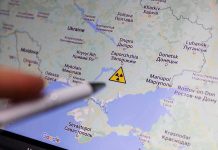
The central factual dispute is the extent of the June 2025 strikes’ impact. Trump has described the operation as having “obliterated” Iran’s nuclear weapons program, while international monitoring has been less definitive. The U.N. nuclear watchdog, the IAEA, has cast doubt on claims of total destruction, creating a verification gap that fuels competing narratives. The public reporting does not provide independent confirmation of current enrichment levels beyond references to a de facto reduction after the strikes.
That uncertainty matters because nuclear negotiations live or die on inspection, baselines, and enforceable limits. Trump has signaled he wants a stricter arrangement than past frameworks, including an end to Iranian enrichment. Iran continues to claim a right to peaceful nuclear technology. Without mutually accepted verification, each side can accuse the other of bad faith, and domestic audiences—especially hardliners in Tehran—can use the ambiguity to justify escalation.
Tehran’s Mixed Message: Diplomacy Talk Paired With Retaliation Threats
Iran’s posture in the days surrounding the speech reflected a familiar pattern: willingness to negotiate paired with explicit threats. Iranian official Araghchi said on U.S. television that Iran would not build a nuclear weapon, but he also warned that Iran would retaliate against U.S. bases in the region if attacked. After Trump’s address, Iran’s Parliament Speaker Mohammad Bagher Ghalibaf struck a similar tone, saying Iran is prepared for diplomacy but ready to respond with a “strong punch” if forced.
For Americans who prioritize constitutional government and national security, the key issue is not rhetoric but capability and enforcement. Tehran’s leadership has incentives to deny weapon intent while preserving leverage. Trump’s emphasis on deterrence signals an effort to prevent the kind of drawn-out, open-ended posture voters watched during prior years of globalist diplomacy. The reporting still shows no new U.S. strikes announced as of Feb. 25, keeping the situation in a tense but political phase.
Geneva Talks Under a Shadow of Military Options
Upcoming talks in Geneva are framed by both sides as an off-ramp, yet each also advertises readiness for conflict. A Chatham House analyst argued war could be “imminent,” citing Trump’s demands and Iran’s unwillingness to accept “submission,” but that assessment is opinion rather than a confirmed forecast. NBC analysis highlighted how Trump’s warnings about missiles and long-range threats complicate the diplomatic picture, especially if both sides treat worst-case assumptions as settled fact.
The most grounded takeaway from available reporting is straightforward: the diplomatic window exists, but it is narrow and vulnerable to provocation, misreading, or unverifiable claims. Iran’s “big lies” charge does not resolve whether Iran is rebuilding; it underscores that Tehran intends to contest U.S. messaging while negotiating. Until inspections and enforceable terms close the verification gap, Americans should expect continued pressure tactics—because that is what regimes do when they want sanctions relief without surrendering strategic leverage.
Sources:
Trump state of the union 2026 takeaways