An ICE agent’s self-defense claim in a fatal shooting raises questions of federal accountability.
Story Highlights
- Renee Nicole Good was shot by an ICE agent in Minneapolis.
- Family hires George Floyd’s lawyers for a civil lawsuit against the federal government.
- Legal complexities arise with federal jurisdiction in the case.
- Federal agent claims self-defense, sparking national protests.
Federal Shooting Sparks Legal Battle
On January 7, 2026, Renee Nicole Good was shot and killed in her SUV by an ICE agent in Minneapolis. The incident occurred after Good dropped her child off at school. Federal officials claim that the ICE agent, Jonathan Ross, acted in self-defense during the encounter, as he suffered internal bleeding. This case has gained national attention, particularly due to the involvement of federal agents, setting it apart from typical police shooting incidents.
The family’s decision to hire Romanucci and Blandin, the law firm known for securing a $27 million settlement for George Floyd’s family, underscores their determination to pursue a significant civil lawsuit against federal authorities. This move highlights the family’s expectations for compensation and justice, as they navigate the complex legal landscape posed by federal jurisdiction.
Complexities of Federal Jurisdiction
Unlike local police cases, this incident involves a federal ICE agent, introducing unique legal challenges. Attorney Antonio Romanucci pointed out that litigation against the federal government involves navigating the Federal Tort Claims Act (FTCA), requiring a lengthy and intricate process. This complexity means the case will be decided by a federal judge, not a jury, which could limit community input on the justice outcome.
The shooting occurred amid heightened federal immigration enforcement, with the Pentagon deploying military lawyers to Minneapolis to assist with prosecutions. Secretary of Defense Pete Hegseth has directed military services to provide legal support, reflecting the administration’s commitment to stringent immigration control.
Community Response and Legal Proceedings
In response to the incident, Minnesota sought a restraining order to halt ICE operations, but a federal judge denied the request while leaving the door open for further legal challenges. The U.S. Department of Justice announced it does not plan to open a criminal civil rights investigation into Good’s death, prompting resignations among federal prosecutors in Minnesota and Washington due to dissatisfaction with case handling.
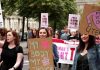
Meanwhile, protests have erupted across Minnesota and the nation, demanding justice for Renee Good and scrutinizing federal enforcement policies. ICE activities have disrupted Metro Transit operations in Minneapolis, affecting public transportation services and fueling public discontent.
Sources:
Law Firm Represented Floyd Family Hired by Family of Renee Good
Good Family and Ross Attorneys
ICE Enforcement Shooting in Minnesota Latest