Russia’s air force has lost at least 40 advanced Su-34 fighter-bombers over Ukraine since 2022, with total aircraft losses exceeding 475 as Ukrainian forces continue to shred Moscow’s aerial superiority despite relentless drone and missile barrages.
Story Snapshot
- Russia has lost over 40 Su-34 bombers and 475+ total aircraft since the 2022 invasion, with two more pilots killed in a recent Black Sea crash
- Ukraine intercepted 315 of 339 Russian drones and 14 of 18+ missiles during massive January 2026 strikes targeting energy infrastructure
- Ukrainian drone operations have inflicted an estimated $4 billion in losses on Russian air defense systems while denying Moscow air dominance
- Russia adapts with Starlink-equipped “mothership” drones and standoff glide bombs, but continues accepting unsustainable attrition rates
Ukrainian Air Defenses Exact Heavy Toll on Russian Aviation
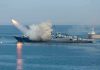
Russia’s air force entered the Ukraine conflict expecting rapid dominance but has hemorrhaged aircraft at alarming rates since 2022. Confirmed losses now exceed 475 combined aircraft from both sides, with Russia suffering disproportionately due to offensive operations exposing jets to Ukrainian surface-to-air missiles, MANPADS, and increasingly sophisticated drone strikes. The recent downing of another Su-34 bomber over the Black Sea, killing two pilots, brings total losses of this advanced fighter-bomber alone to 40 aircraft. These numbers represent a staggering degradation of Russian tactical aviation capability that Moscow’s defense planners never anticipated when launching their invasion.
January 2026 Strikes Reveal Shifting Aerial Battlefield Dynamics
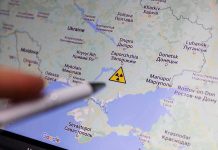
Russia launched a massive combined strike on January 19-20, 2026, deploying 339 drones alongside 18 ballistic and cruise missiles including Iskanders, S-300s, one Zirkon hypersonic missile, and Kh-101 cruise missiles targeting Ukrainian energy infrastructure. Ukrainian air defenses successfully intercepted 315 drones and 14 missiles, demonstrating the effectiveness of Western-supplied Patriot systems and integrated air defense networks. Despite high interception rates, debris and penetrating strikes damaged substations near Kyiv and Chornobyl, reducing Ukraine’s electrical grid to approximately 60 percent capacity. President Zelensky credited new air defense missiles received January 18 for enabling the high intercept success, though Ukrainian officials acknowledged infrastructure damage remains a persistent challenge.
Russia Adapts Tactics While Accepting Catastrophic Losses
Faced with devastating aircraft losses, Russia shifted toward standoff weapons including glide bombs and Iranian-designed Shahed drones to minimize exposure to Ukrainian air defenses. Russian forces now employ innovative tactics such as Starlink-equipped “mothership” drones extending first-person-view drone ranges to strike HIMARS launchers and Patriot systems near frontlines. The Rubikon Center and Russian milbloggers highlight these adaptations as necessary evolutions in drone warfare. However, these tactical adjustments come at enormous cost: Russia has suffered nearly 1.2 million total casualties since 2022 while mobilizing 49,000 additional soldiers and producing 1,000 drones daily to sustain operations. This attrition-based approach reflects Moscow’s willingness to accept losses that would be politically and militarily unsustainable for Western militaries.
Ukraine Builds Anti-Drone Infrastructure Amid Ongoing Aerial Battle
Ukrainian Commander Syrskyi announced plans for 2026 offensives while President Zelensky appointed Colonel Yov as new deputy Air Force commander to develop an “anti-drone dome” protecting critical infrastructure and military assets. Ukrainian forces, including National Guard units like the Lasar Group credited with 20 percent of shootdowns, continue denying Russia the air superiority essential for combined arms operations. Ukrainian drone operations have reportedly caused $4 billion in losses to Russian air defense systems, turning asymmetric warfare advantages against Moscow. The evolving conflict demonstrates modern warfare realities where integrated air defenses, drones, and standoff weapons increasingly dominate traditional manned aviation. This pattern challenges assumptions about air power while revealing vulnerabilities in Russian operational planning that underestimated Ukrainian defensive capabilities and Western support sustainability.
Sources:
Institute for the Study of War – Russian Offensive Campaign Assessment, January 20, 2026
CSIS – Russia’s Grinding War in Ukraine
Wikipedia – List of Aviation Shootdowns and Accidents During the Russo-Ukrainian War
GlobalMilitary – Aircraft Losses in Ukraine
Defence Blog – Ukraine Shoots Down Russian Su-34 Bomber Over Black Sea