
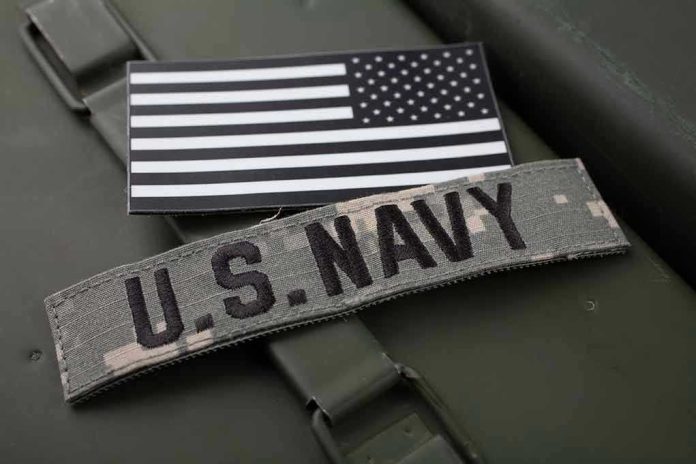
A new military body composition policy now prioritizes performance over traditional tape measures, reflecting a shift toward readiness that conservatives may applaud.
Story Highlights
- U.S. Army introduces a single-site abdominal measurement for body composition.
- Performance-based exemptions allow high-scoring soldiers to bypass assessments.
- New metrics address inaccuracies of past methods and focus on fitness.
- Navy and Marines adopt waist-to-height ratio, aligning with Army reforms.
Army’s Modernized Assessment Approach
In a significant shift, the U.S. Army has replaced its outdated multi-site circumference tape test with a new, single-site abdominal measurement. This change, effective as of September 2025, reflects a broader emphasis on fitness and performance. Soldiers who achieve a score of 465 or higher on the Army Fitness Test (AFT) are now exempt from regular body fat assessments, promoting a more efficient and performance-oriented evaluation system.
The new method, validated on over 1,900 soldiers, aims to reduce variability and inaccuracies previously associated with the multi-site method. This initiative, backed by the U.S. Army Research Institute of Environmental Medicine, supports alternative body composition challenges through advanced scans like DXA, providing a streamlined and accurate assessment process.
Navy and Marines Follow Suit
Following the Army’s lead, the Navy and Marine Corps have implemented the waist-to-height ratio (WHtR) as their primary body composition metric. This move, effective from December 2025 for the Navy and January 2026 for the Marines, establishes a 0.55 WHtR cutoff, emphasizing health-oriented metrics. These changes reflect a broader military commitment to maintaining high standards of readiness and operational efficiency.
This transition aligns with the Department of Defense’s efforts to address recruitment and readiness challenges posed by rising obesity rates. By focusing on performance and health metrics, these reforms aim to improve recruitment and retention, encouraging a culture of fitness over mere aesthetic considerations.
Implications and Future Directions
The implementation of these new standards offers several advantages, including reduced administrative burdens and increased morale among high-performing soldiers. By simplifying body composition assessments, the military can ensure fair and uniform enforcement across branches. However, there remain concerns regarding the fairness of implementation for diverse body types, which the military must continue to address.
These reforms are likely to influence broader Department of Defense policies and could standardize the waist-to-height ratio across all branches. This shift may also impact the fitness industry, promoting the development and adoption of new technologies for body composition assessment.
Sources:
Modernizing the U.S. Army’s Body Composition Policy
The New Army Body-Fat Standard: A Step In The Right Direction?
Waist-Height Ratio Now Central to Military Body Composition Standards